
Constructing Data Centers that Power Artificial Intelligence (AI) Learn More
SCADA: Why Renewable Energy Projects Depend on It
Modern renewable energy projects are complex, integrated systems that must respond to changing conditions in real time, interact with the grid, and meet increasingly strict operational standards. At the center of that control and communication framework is SCADA (Supervisory Control and Data Acquisition), the system that keeps renewable assets connected, coordinated, and performing within specification.
Used across utility-scale solar, battery energy storage, substations, and microgrids, SCADA systems allow operators to monitor equipment, receive alerts, log performance, and control processes remotely. These systems are essential to ensuring that the infrastructure supporting renewable energy is not only operational, but reliable and responsive.
What SCADA Does
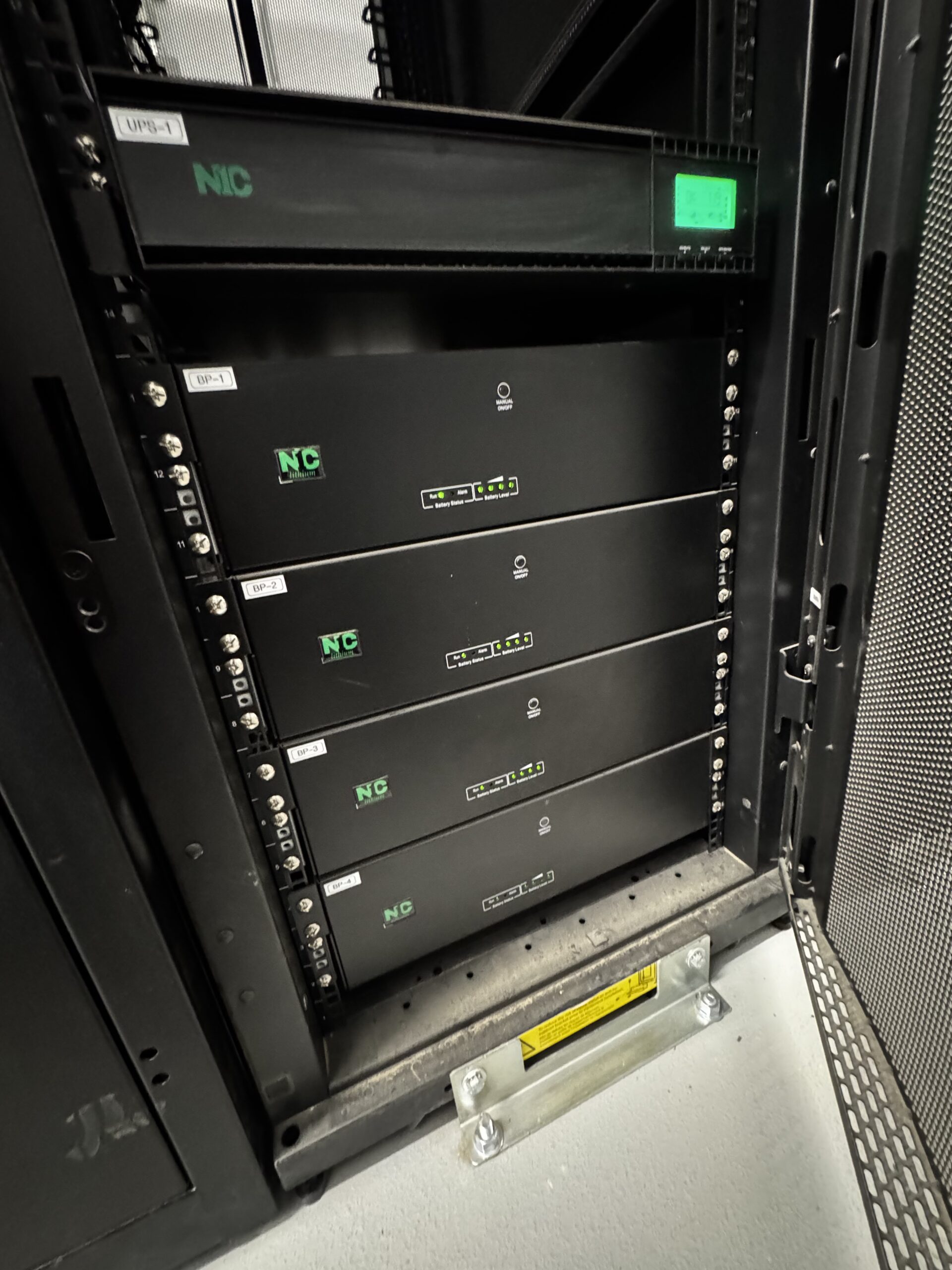
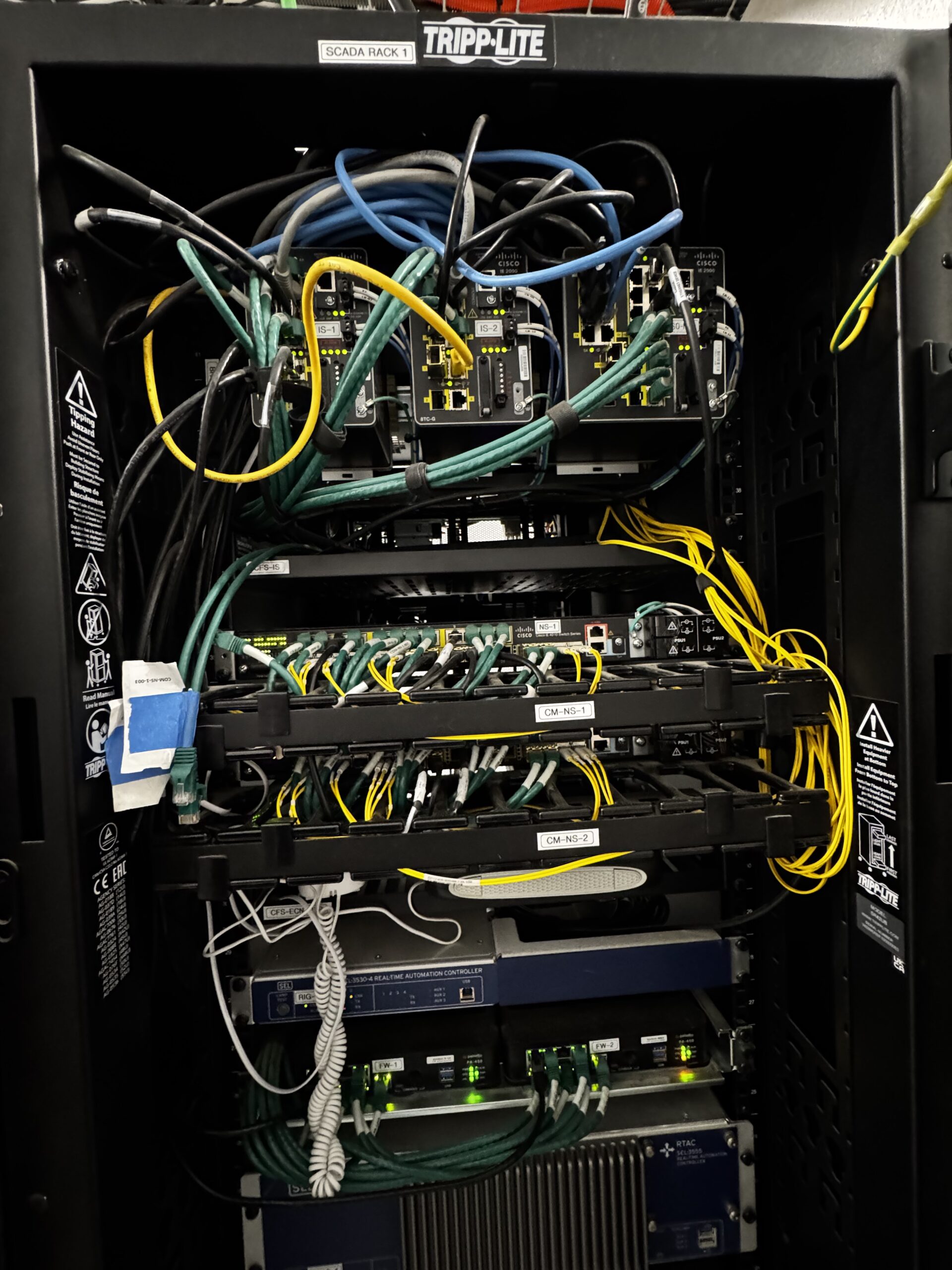

SCADA connects the digital layer of a project to its physical components. Through a network of sensors, communication devices, and control interfaces, it gathers real-time data from inverters, batteries, transformers, switches, and environmental monitors.
That data is sent to operators or centralized control centers, where it can be used to:
- Track key metrics such as voltage, current, temperature, and output
- Detect abnormal conditions and trigger alarms or shutdowns
- Remotely control site equipment, including battery dispatch and load shedding
- Record historical data for trend analysis, compliance, and performance optimization
- Coordinate with utilities for grid participation or emergency response
Without SCADA, these actions either happen too slowly or not at all.
Why It Matters
In high-voltage and high-capacity renewable systems, small faults can have large consequences. Overheating components, inverter failures, communication dropouts, and uncontrolled fluctuations all present risks, not only to the asset owner but to the surrounding grid.
SCADA allows site operators to catch those failures early. It enables automated protocols for fire detection and suppression in battery containers. It supports frequency regulation and reactive power control, as required by interconnection agreements. In some cases, SCADA data is used to verify performance for utility payments or warranty claims.
As utilities, developers, and regulators push for smarter, faster, and more integrated energy systems, SCADA is no longer an add-on. It is fundamental to how projects are designed and delivered.
Examples from the Field
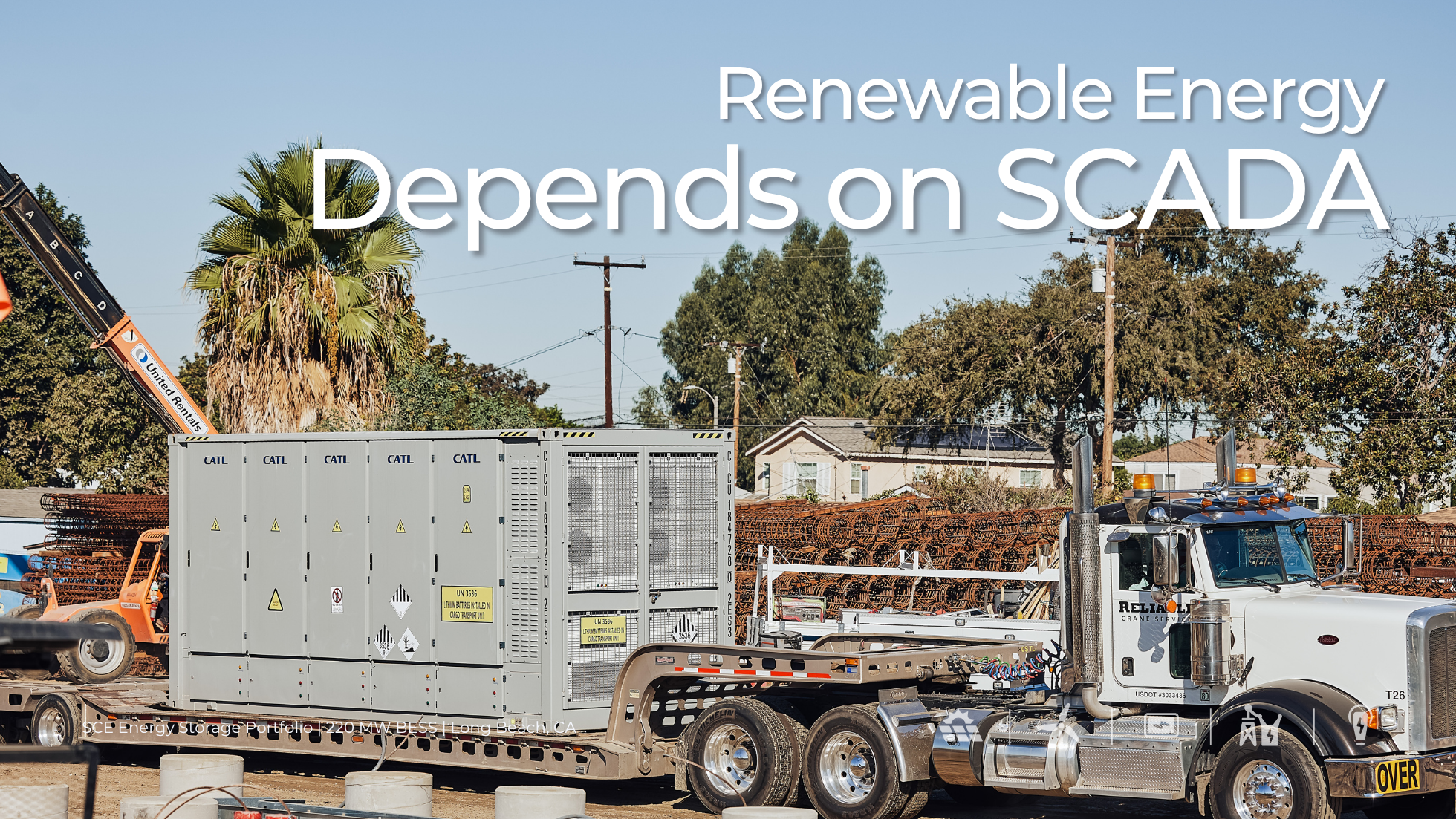
- SCE Energy Storage Portfolio: In Southern California, a 537.5 MW / 2.15 GWh battery storage portfolio serving Southern California Edison spans multiple sites. Each site relies on SCADA for operational coordination. This includes managing battery charge and discharge cycles, controlling temperature and ventilation systems, and interfacing with utility dispatch signals.
- Aquamarine Solar + Substation: At a 250 MW solar plant in California’s Central Valley, SCADA connects field inverters, tracker rows, and a 230kV substation. The system enables data logging, grid synchronization, and fault response across the site. The result is a streamlined interface between solar production and high-voltage transmission.
- Reid Gardner BESS: Built on the site of a decommissioned coal facility in Nevada, the Reid Gardner Battery Energy Storage System includes 220 MW / 440 MWh of storage capacity. Given its scale and proximity to sensitive transmission infrastructure, the project was designed with SCADA from the outset. The system handles grid communications, charge control, and alarm monitoring across all battery enclosures.
Building the Infrastructure that Supports SCADA
SCADA does not operate in isolation. Its effectiveness depends on how well it is integrated into the physical and digital layers of a project.
At BEI Construction, SCADA enablement typically involves collaboration between high-voltage and low-voltage teams. Structured cabling, fiber runs, relay panels, and network hardware are designed and installed alongside the power infrastructure. This work also includes configuring I/O devices and integrating communication protocols such as Modbus, DNP3, and IEC 61850, which enable coordination between field components, SCADA servers, and utility control systems.
On sites like SCE and Reid Gardner, BEI’s Low Voltage division worked closely with system integrators and control vendors to ensure all systems were correctly wired, labeled, grounded, and commissioned.
As the renewable energy sector continues to grow, so will its dependency on operational intelligence. Projects will need to respond faster, run longer, and provide more services to the grid.
SCADA makes that possible. It transforms renewable energy assets from passive generators into active participants in grid stability, energy reliability, and decarbonization. In doing so, it redefines what it means to build lasting infrastructure.